Okinawa Without a Car: Ryūsō, Shuri Castle and a Temple Walk in Naha
Start with the Okinawa you want to remember
If you have one day in Naha, you could spend it racing between sights. A better starting point is one thing you want to do: try on Okinawan dress, walk through the former royal capital, or see a Buddhist temple and a Shinto shrine in the same neighborhood. This guide puts those experiences together in a route that can work without a rental car. Use the eastern and western parts of the city as separate blocks, and give yourself time in each.
Try on ryūsō on Kokusai-dori
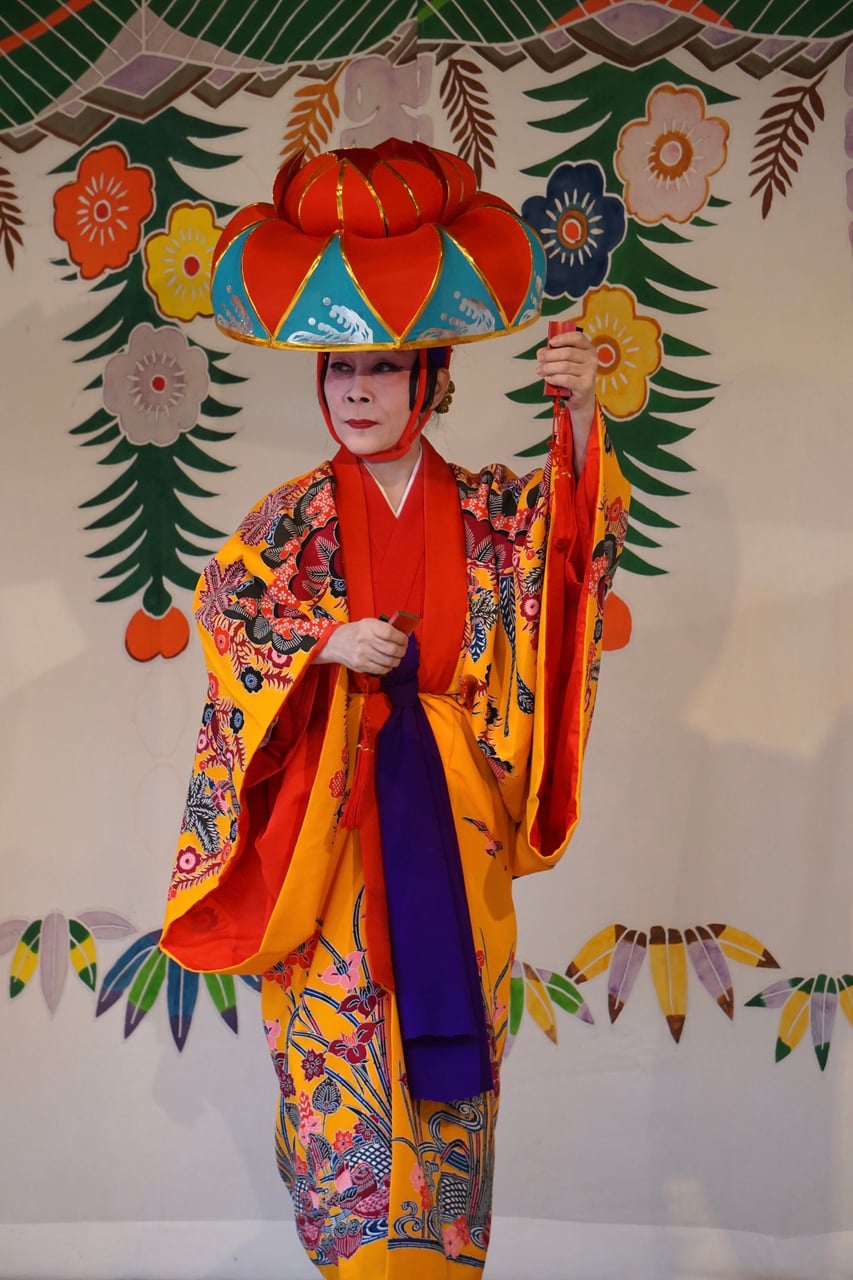
Look for 琉装 (ryūsō), the traditional clothing of Okinawa. The loose sleeves, light shape and comparatively narrow waistband are details to look for when you’re getting dressed. Bingata, a brightly colored Okinawan stencil-dyeing tradition, appears on some garments. Ask the dresser about the fabric and pattern while you can see them up close. Around Kokusai-dori, start by choosing between a short studio session and a town walk. Before booking, check whether dressing and hair styling count toward the time, whether digital photos are included, and whether you can take the outfit outdoors. A studio session makes planning easier on a rainy day.
At Shuri, give the gates their own time
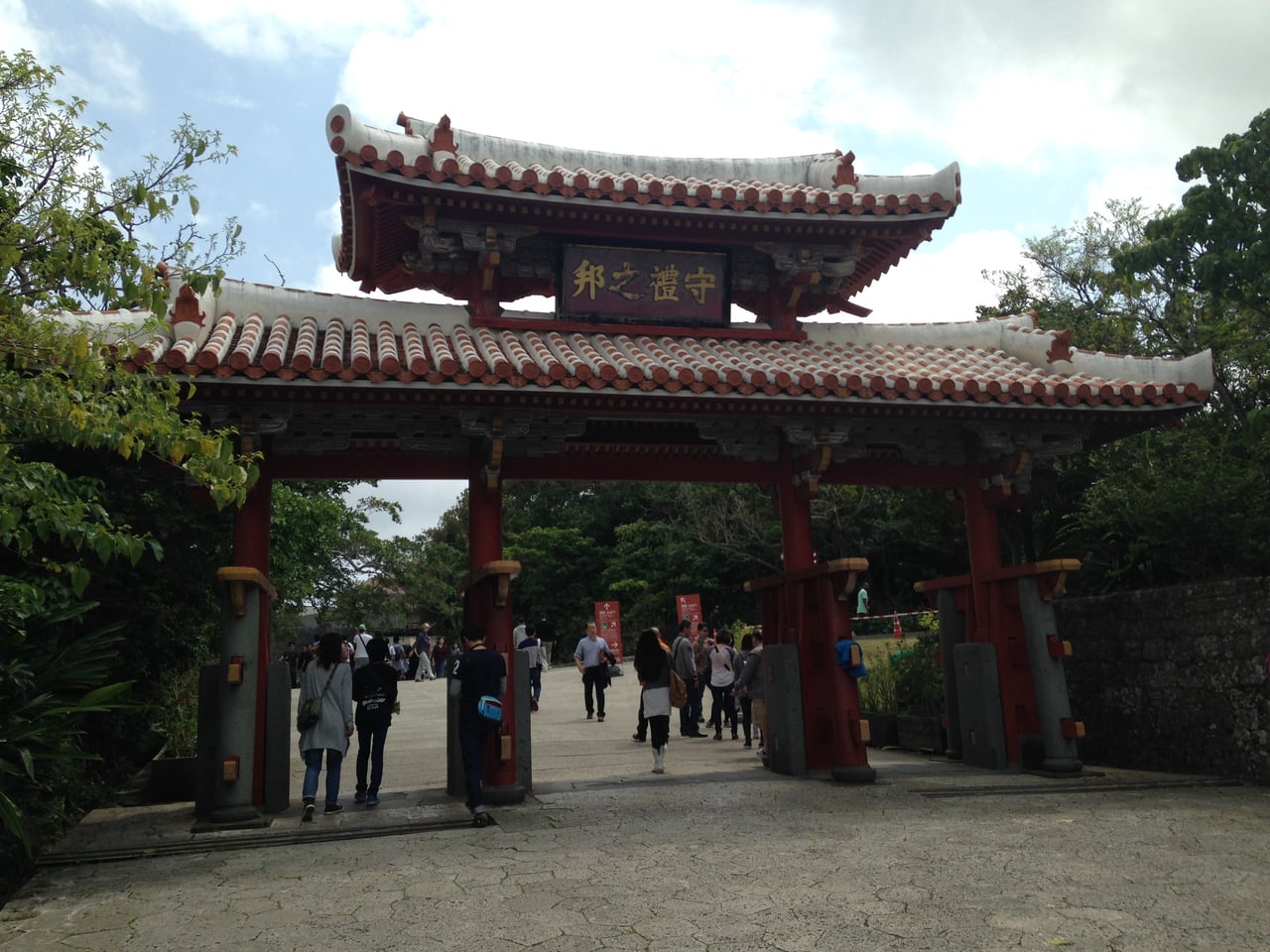
Start at Shureimon, the red gate pictured here, then follow the open paths through Shurijo Castle Park. Pause at the Sonohyan Utaki Stone Gate, a sacred site, and notice how different its stonework feels from the timber gate. Shuri is where the Ryukyu kings governed, and the walk rewards taking a moment at each gate. Some areas have been restored or reopened in stages since the 2019 fire. Check the park’s official map and access notices on the day you go. Shuri is a distinct stop from the downtown rental area, so allow time to change locations.
One neighborhood, two places of worship
In the Wakasa area, Gokokuji is a Buddhist temple and neighboring Naminoue-gu is a Shinto shrine. On a short walk between them, you can see why a temple visit and a shrine visit feel different. Look for the shrine’s torii gate, then follow the posted guidance at each site. Pause before photographing interiors or worshippers and ask the staff if it’s unclear. If you have time, walk down toward Naminoue Beach to see the shrine’s setting from below. It’s a useful reference point when you look back at your photos later.
What to add if you have another half day
Choose Shikinaen Royal Garden for another look at the royal family’s world. Its pond, bridge and Chinese-style pavilion give you a different view of Okinawa’s cultural connections from the castle. Plan it as a separate stop and check the bus route or consider a taxi. If you’d rather make something, the official Okinawa guide lists dyeing experiences around Shuri. Check workshop reservations before committing. On a rainy day, book the studio or a workshop first and leave the outdoor stops flexible.
Keep these details ready on your phone
For one day, book one experience and pair it with Shuri or the Wakasa walk. For two days, put Shuri and Shikinaen together, then do the studio and Wakasa at a slower pace. Save these names in Japanese: 国際通り, 守礼門, 首里城公園, 護国寺, 波上宮 and 識名園. To ask about a photo, show 「ここで写真を撮ってもいいですか?」 (May I take a photo here?). To ask whether a studio allows outdoor photos in the outfit, try 「この衣装で外に出られますか?」 (May I go outside in this outfit?).