Two Days in Nagasaki Without a Car: Kimono at Dejima, Harbor Hills and the Peace Park
A port city best explored one neighborhood at a time
Start in a kimono among the reconstructed buildings of a Dutch trading post, eat lunch in a Chinese merchant district, then climb to houses overlooking the harbor. Give the second day to the history of the atomic bombing and a quiet walk in Urakami. Stay near JR Nagasaki Station for rail and tram connections, or near Shinchi Chinatown for dinner on foot. Keep your first day flexible around the kimono return time and leave the second morning unhurried.
Day 1 morning — Dress in kimono at Dejima
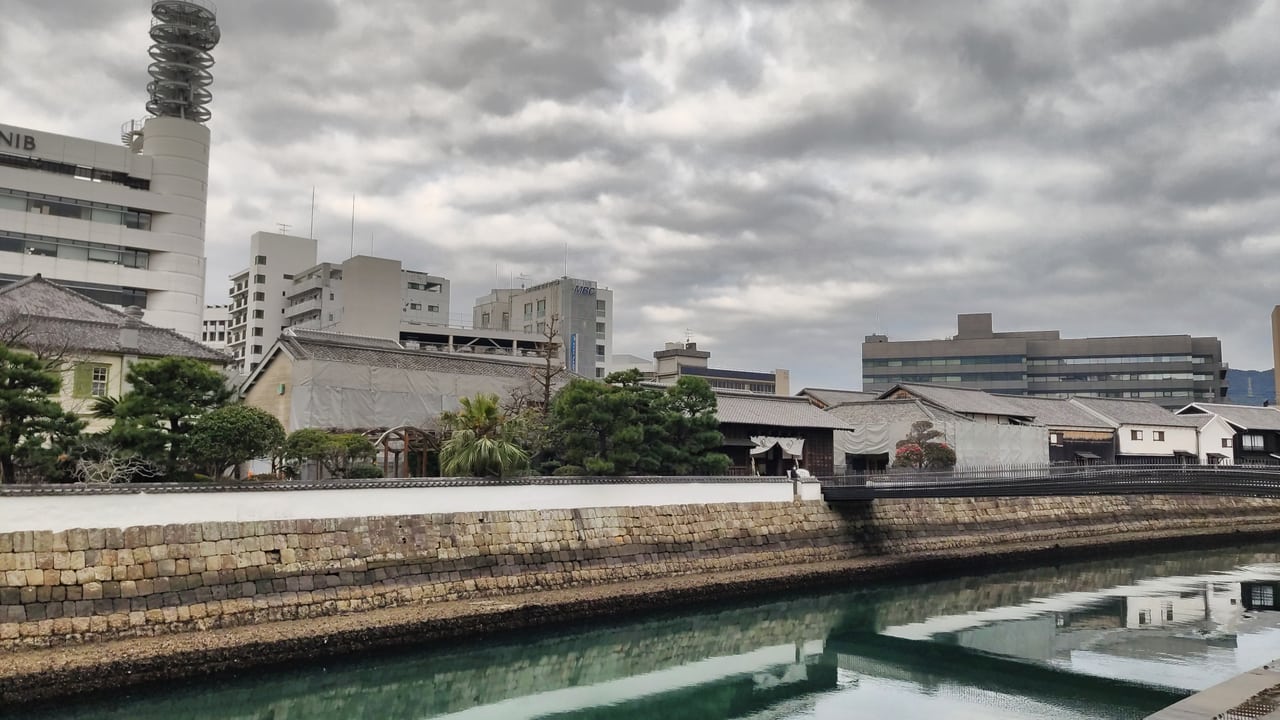
From Nagasaki-ekimae, take tram Route 1 towards Sōfukuji and get off at Dejima. Begin with the model or the site map: the fan-shaped artificial island once housed the Dutch trading post, and the restored streets make more sense once you can picture the water around it. Dejima Hoppen rents kimono at the historic site. Ask in advance about sizes, language support, dressing time, separate site admission, and whether your plan lets you leave the grounds. Confirm when and where to change back. Once dressed, pick a couple of photographs around the restored buildings and save time to read the displays about how merchants lived and worked.
Day 1 lunch — Choose your noodles in Shinchi Chinatown
After Dejima, walk to Shinchi Chinatown. Order champon if you want noodles in broth, or sara udon if you want noodles topped with a thick sauce. Crispy thin noodles are one common version of sara udon; some shops also serve thick noodles. Ask 「細麺と太麺、どちらですか?」 if you want to check which kind you’re ordering. If you have a food restriction, ask about the stock as well as the toppings. If you’re still in kimono, leave enough time to return it before heading up to Minami-Yamate.
Day 1 afternoon — Ōura Cathedral and the view from Glover Garden
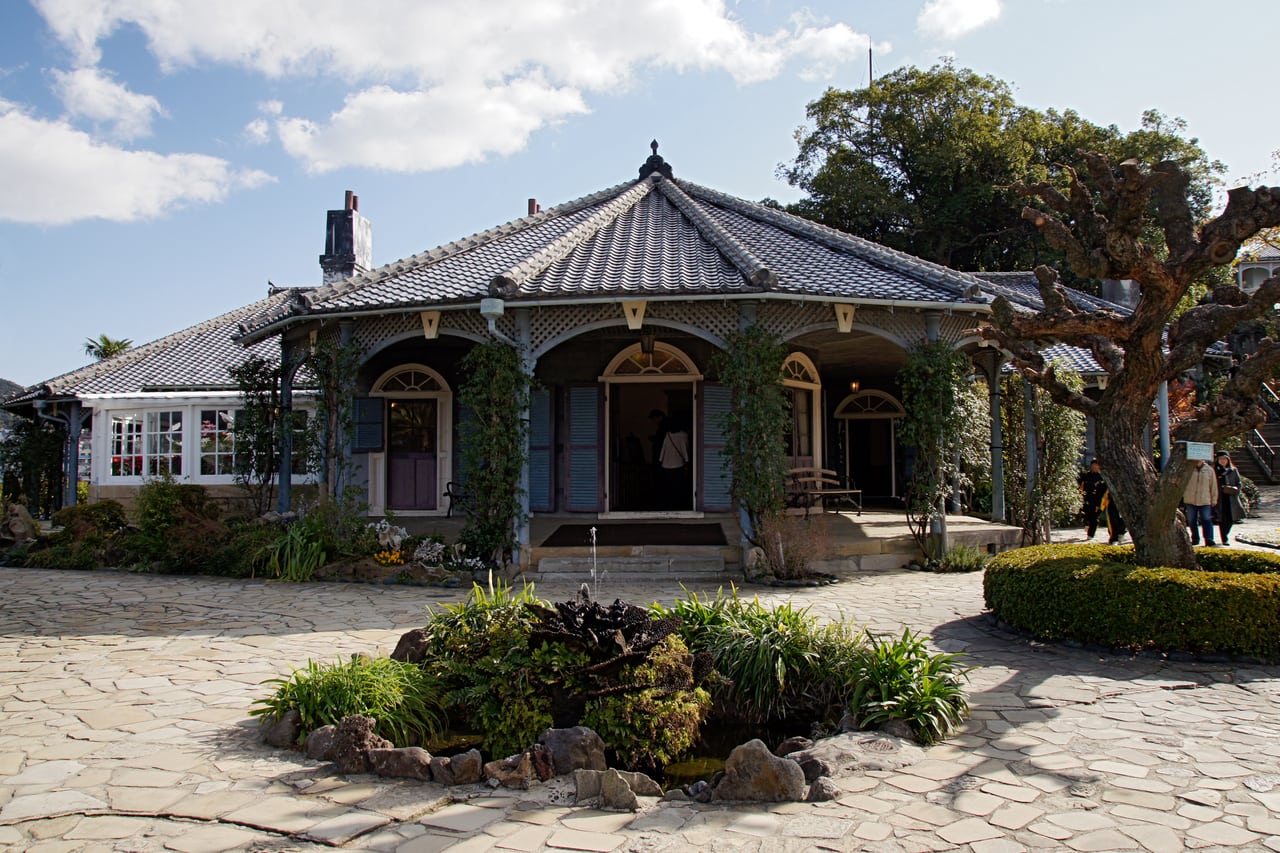
At Shinchi Chinatown, take Route 5 towards Ishibashi and get off at Ōura Cathedral. The church is where Hidden Christians from Urakami revealed their faith to a priest in 1865. Read that story before visiting and follow the church’s signs and staff instructions. Glover Garden is nearby on the hillside; look for the former Glover House and stop at a terrace to see the harbor from above. The district has slopes. If uphill walking is a concern, check the garden’s official access map for Gate 2 via Ishibashi and the Glover Sky Road, plus operating notices. When you’re short on time, pick the church or the garden and spend longer there.
Day 2 morning — Start at the Atomic Bomb Museum
From Nagasaki-ekimae, take Route 1 or 3 towards Akasako and get off at Atomic Bomb Museum (原爆資料館). The museum explains the atomic bombing of August 9, 1945 and its impact on people in Nagasaki. Give yourself time to read the testimony and look at the objects at your own pace. The National Peace Memorial Hall nearby is a separate place for remembrance, with a space for reflection and access to accounts by survivors. The city publishes a walking route between the museum and the hypocenter. Check it for the path and any changes, especially if you need to avoid stairs.
Day 2 afternoon — Walk from the hypocenter to Peace Park
At the hypocenter, pause at the marker before continuing to the Peace Statue area. Keep the two stops separate in your map: the marker shows where the bomb exploded overhead, while the statue is in the park’s northern memorial area. If you want one more stop, choose Urakami Cathedral to continue the day’s history. Or ride back to the center and walk to Meganebashi, the stone bridge whose two arches can look like spectacles in the reflection. The museum and park are enough for a full visit if you prefer to take the afternoon slowly.
One day? Choose the south or the north
For port history, pick Dejima, lunch in Chinatown and one stop in Minami-Yamate. For remembrance, keep the museum, memorial hall and park together. Save 長崎駅前, 出島, 新地中華街, 大浦天主堂, グラバー園, 原爆資料館 and 平和公園 to your map. For the kimono shop, show 「着物は何時までに返せばいいですか?」, meaning “What time do I need to return the kimono?”
Sources
- Discover Nagasaki · Tram routes and stops
- Dejima · Museum and visitor services
- Dejima Hoppen · Kimono rental
- Travel Nagasaki · Dejima history and activities
- Travel Nagasaki · Shinchi Chinatown
- Travel Nagasaki · Ōura Cathedral and the Hidden Christians
- Glover Garden · Official access map
- City of Nagasaki · Atomic Bomb Museum
- Nagasaki National Peace Memorial Hall · Visitor information
- City of Nagasaki · Walking route from the museum to the hypocenter
- City of Nagasaki · Peace Park