Two Days in Miyazaki Without a Car: Aoshima, Udo’s Sea-Cave Shrine and the Castle Town of Obi
An island bridge, a cave shrine and a samurai town
On Miyazaki’s coast, there’s a shrine you reach by crossing a bridge to a green island and another you reach by walking down towards a sea cave. A little farther south and inland, Obi trades the sound of waves for old stone walls, cedar trees and small shops serving local snacks. In two days you can see all three from a base near Miyazaki Station. Give Aoshima its own half day, then plan Udo and Obi together around the coastal bus.
Day 1 morning — Cross to Aoshima Shrine at low tide
Take the JR Nichinan Line from Miyazaki to Aoshima. From the station, follow the approach to Yayoi Bridge, roughly ten minutes on foot. Before crossing, look for the strips of rock known as the Devil’s Washboard. Low tide exposes more of the ridges; tide times change daily, so look them up for your date. Photograph the rock from the bridge or shore when waves are rough. On the island, go through the torii, pause at the shrine and look for wooden ema plaques carrying visitors’ wishes. Give worshippers room and check signs before taking photos.
Day 1 afternoon — Slow down for lunch
Walk back across the bridge and eat near the shrine approach before taking the train back. Look for seafood around Aoshima or save your appetite for chicken nanban in Miyazaki City. It’s fried chicken coated in a sweet-sour vinegar sauce, often served with tartar sauce. Local restaurants prepare it differently, so use チキン南蛮 when you search rather than relying on a single restaurant. If you come on a day with a rising tide, spend the extra time at the shrine and the shops instead of waiting for the rocks to reappear.
Day 2 morning — Take the right 965 bus to Udo Jingū
Look up the Miyazaki Kotsu timetable before leaving Miyazaki Station. Route 965 goes towards Nichinan and Obi, but check for a departure marked 鵜 or confirm that it stops at 鵜戸神宮. At the bus stop, note the onward departure towards Obi before you start walking. The shrine has warned of a closure on its coastal approach after heavy rain. Check its latest notice and follow the indicated detour, allowing more time for the walk than older guides suggest. If the approach is closed or the bus connection is poor, go straight to Obi by JR instead.
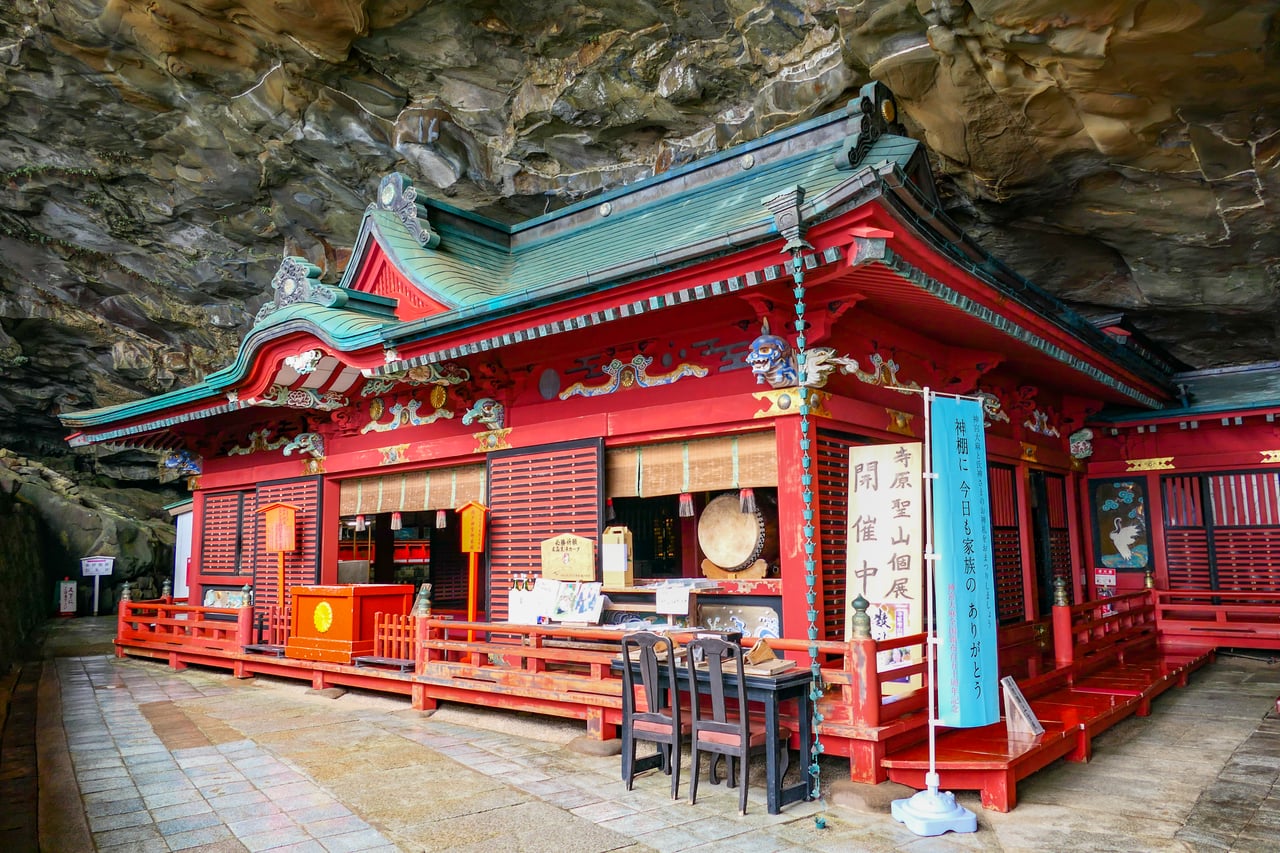
At Udo — Step down to the cave and try undama
The main hall sits inside a sea cave below the path. Slow down on the stone steps, especially after rain, and leave space around the prayer area. Near the hall, look down towards Kameishi, a turtle-shaped rock. The local custom is to aim a small lucky pellet called an undama at the recess on its back. The shrine describes a left-handed throw for men and a right-handed throw for women. Treat it as a wish-making custom and watch the person ahead of you to see where to stand. If you’re unsure about photographs, show 「ここで写真を撮ってもいいですか?」.
Day 2 afternoon — Obi’s gate, cedar and snacks
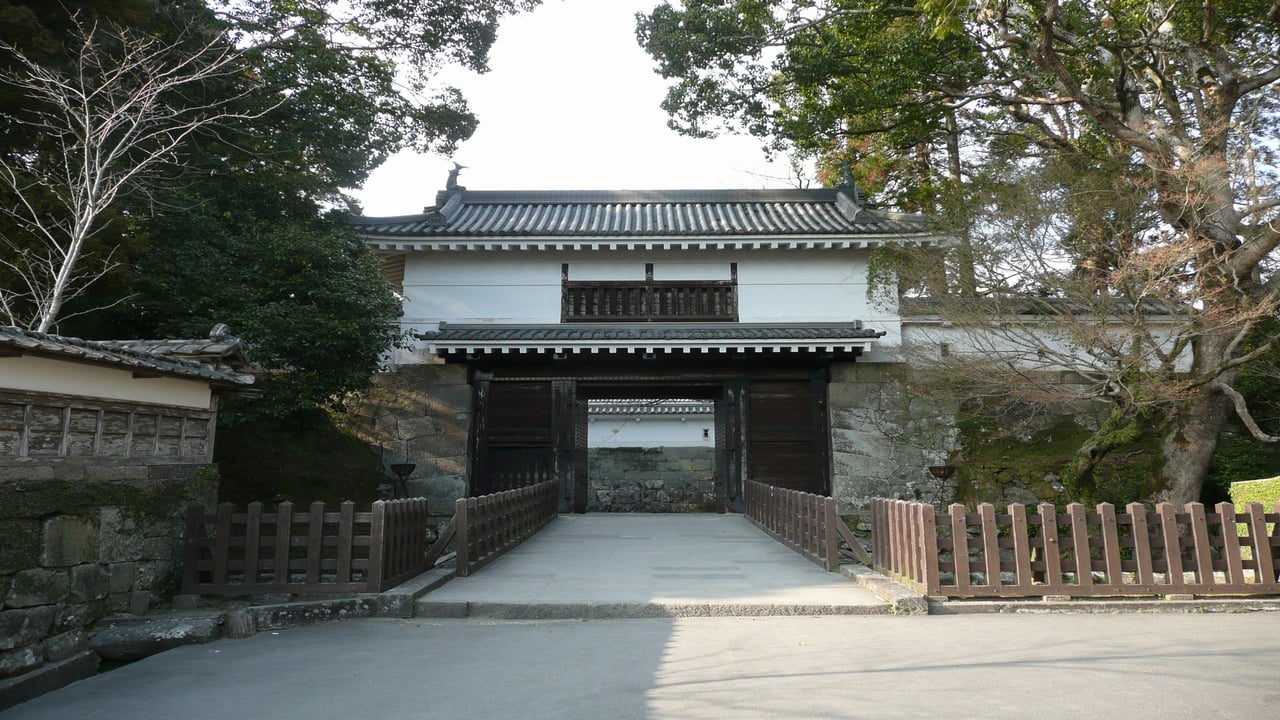
Take a confirmed onward bus towards Obi, or use the Nichinan Line to Obi if you’ve chosen the rail-only plan. The castle area is about 15–20 minutes on foot from Obi Station. Start at Ōtemon, the large gate, then walk past stone walls and former samurai residences towards Honmachi. Ask at the ticket desk near the castle parking area for the Ayumi-chan walking map and check which local shops are participating that day. Try obi-ten, the town’s fried fish cake, or the sweet, custard-like thick omelette. If you have time, check availability at the short-range shihanmato archery ground. It’s a chance to try a tradition associated with the former Obi domain. Confirm your train home before you linger.
Choose your route before leaving the hotel
With one day, choose Aoshima and Udo for the coast and shrine rituals if the bus and access line up, or pick Obi for a slower day reachable by train. With two days, keep Aoshima separate and check three things for day two: the exact Udo stop, the shrine’s access update and your last comfortable train from Obi. Save 宮崎駅, 青島駅, 青島神社, 鵜戸神宮, 飫肥駅 and 飫肥城大手門 to your map. To check with a driver, show 「このバスは鵜戸神宮に停まりますか?」, meaning “Does this bus stop at Udo Shrine?”
Sources
- JNTO · Aoshima Shrine
- JNTO · Aoshima and the Devil’s Washboard
- Miyazaki Kotsu · Route 965 and coastal bus timetables
- Udo Jingū · Access and notices
- Udo Jingū · Coastal approach closure
- Udo Jingū · Shrine grounds and undama
- Miyazaki City Tourism · Obi Castle Town
- Obi Castle Town Preservation Society · Map, local shops and archery
- Nichinan Tourism · Ayumi-chan walking map
- Miyazaki City Tourism · Chicken nanban